
Development finance
From concept to completion, your development project needs a funding partner who understands the bigger picture. We specialise in structuring flexible, end-to-end finance solutions that get your project off the ground and across the finish line -without the traditional roadblocks.
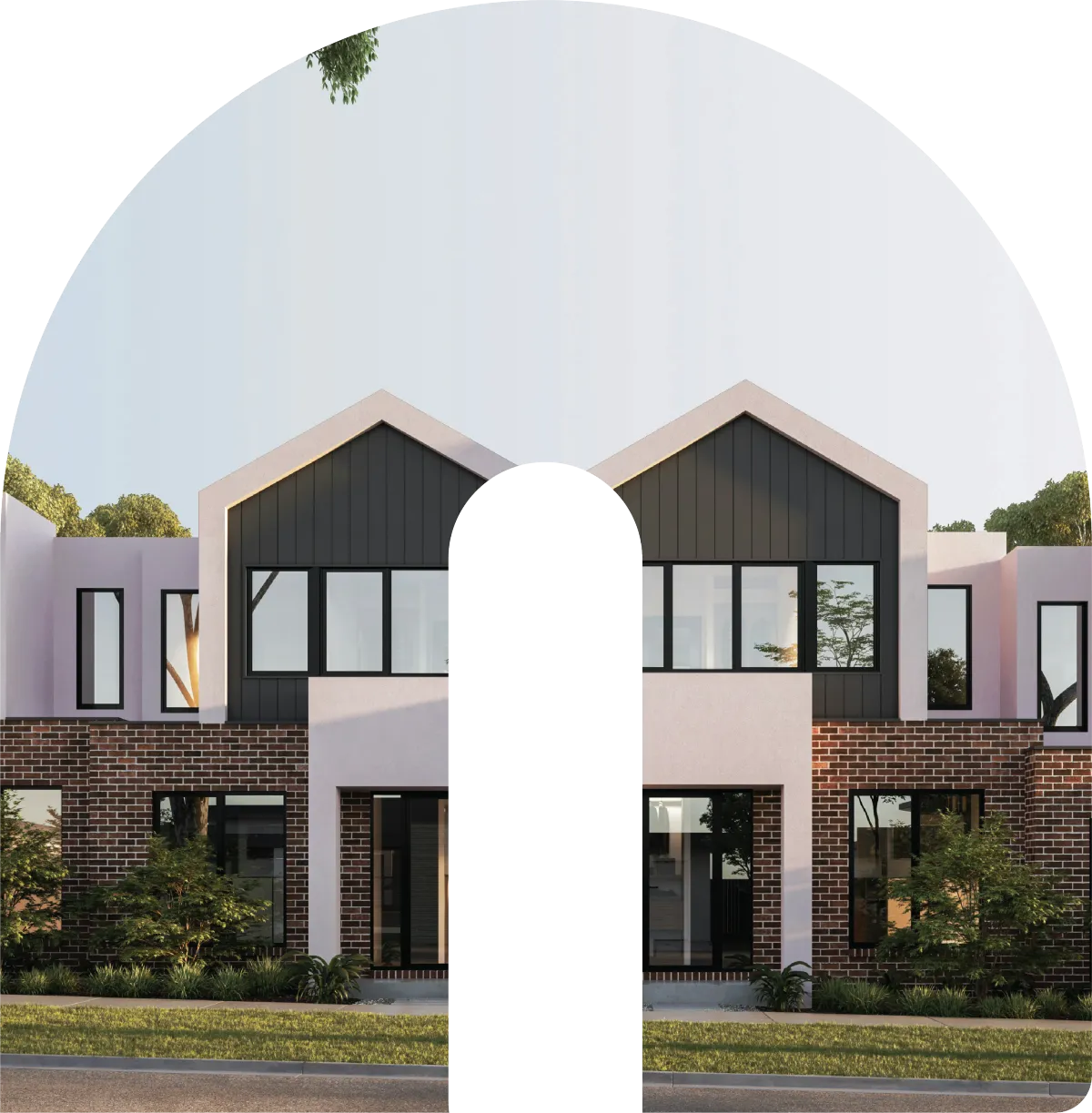

How can we help?
Securing finance for a development project is more than just a loan; it’s about building a strategic partnership. We cut through the complexity of development funding by connecting you with a network of bank and non-bank lenders who specialise in construction and development. From land acquisition and subdivision to multi-unit builds, we help you navigate feasibility, manage staged drawdowns, and structure a facility that ensures your project maintains momentum.
Developers FAQ's
What is development finance and how does it differ from a standard mortgage?
Development finance is a specialist short-term loan used to fund construction projects. Unlike a standard mortgage, funds are typically released in stages (progress payments) as the project hits key milestones. The loan is usually repaid once the project is completed, either by selling the properties or refinancing to a long-term investment loan.
How much deposit or equity do I need for a development project?
This is often expressed as a percentage of the Total Development Cost (TDC). Most lenders require developers to contribute 20-30% of the total project cost as equity. This can be in the form of cash, or equity in the development site itself.
Do I need to have pre-sales before I can get funding?
It depends on the lender. Main banks often require a significant portion of the development to be pre-sold (e.g., 100% of the debt covered). However, many non-bank lenders are more flexible and can provide funding with few or even zero pre-sales, which gives you more flexibility.
What is a Quantity Surveyor (QS) and will I need one?
A Quantity Surveyor (QS) is an independent professional who assesses and monitors the costs and progress of your construction project. Most lenders require a QS to provide an initial report on your budget and then certify each progress payment, ensuring the funds are being used appropriately. We can help you engage a trusted QS.
What does “capitalised interest” mean?
Capitalised interest is a common feature of development loans. Instead of you paying the interest monthly from your own pocket, the interest is calculated and added to the loan balance. This improves your cash flow during construction and is repaid as part of the total loan at the end of the project.
Can I fund the ‘soft costs’ like consents and design fees?
Yes, development finance can often cover both ‘soft costs’ (like architectural fees, council consent fees, and valuations) and ‘hard costs’ (the physical construction). Funding for soft costs is typically part of the first drawdown.
What is an ‘exit strategy’ and why is it important?
Your exit strategy is your plan for repaying the development loan once the project is complete. The two main exits are selling the completed properties or refinancing the debt into long-term investment loans to hold them as rentals. A clear and credible exit strategy is critical for getting your finance approved.
How are funds paid out during the project?
Funds are paid out in stages, known as ‘progress payments’ or ‘drawdowns’. As your builder completes a stage of work, they will issue an invoice. This is sent to the lender (often via the QS) who verifies the work and then releases the funds to pay the invoice. This protects all parties by ensuring the loan is only drawn down as value is added to the site.
Ready to have a conversation?
No obligation. No pressure. Just a genuine chat about what you're trying to build and whether we can help you get there.
Enter your email for the latest updates and deals in the industry.


Information
Services
Resources

© 2026 Cooper Group